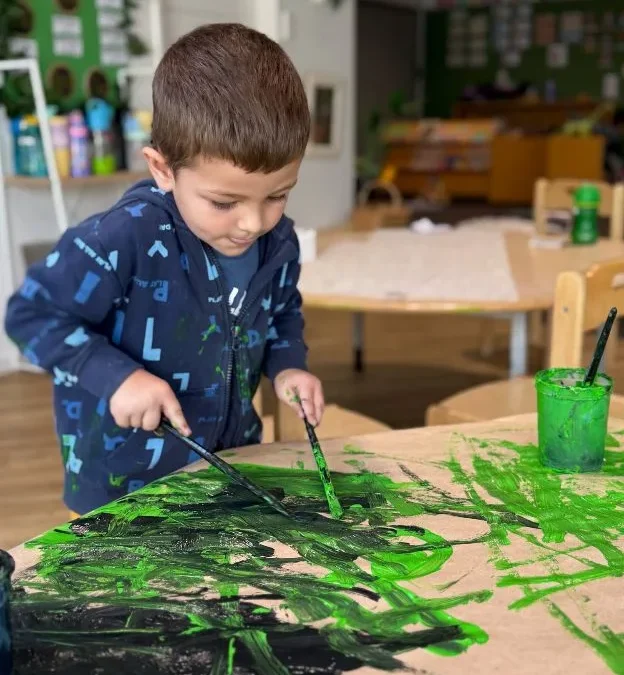
At The Vines Early Learning Centre in West Auckland, we see every child as a creative thinker, a curious learner, and a capable explorer. One of the many ways we nurture tamariki is through painting: a powerful tool for creativity, confidence, and self-expression.
Painting – More Than Just Brushstrokes
To adults, painting might look like fun: brushes, colours, splashes, mess and paper. But for tamariki, it’s so much more.
Why Is Painting So important?
Because it gives children the freedom to:
- Explore their world
- Experiment with ideas
- Express themselves in ways they cannot always do through words.
Painting is recognised as a valuable part of learning and development, strongly supported by Te Whāriki, the early childhood curriculum.
Why Painting Matters in Early Learning
When a child picks up a brush, they’re doing far more than making marks on paper. They’re learning who they are.
Through painting, tamariki build vital skills:
- Fine motor skills – strengthening little hands for future writing
- Self-expression – sharing stories, feelings, and ideas in their own way
- Problem-solving – testing out “what happens if…” questions
- Confidence – feeling delight when their creation is complete.
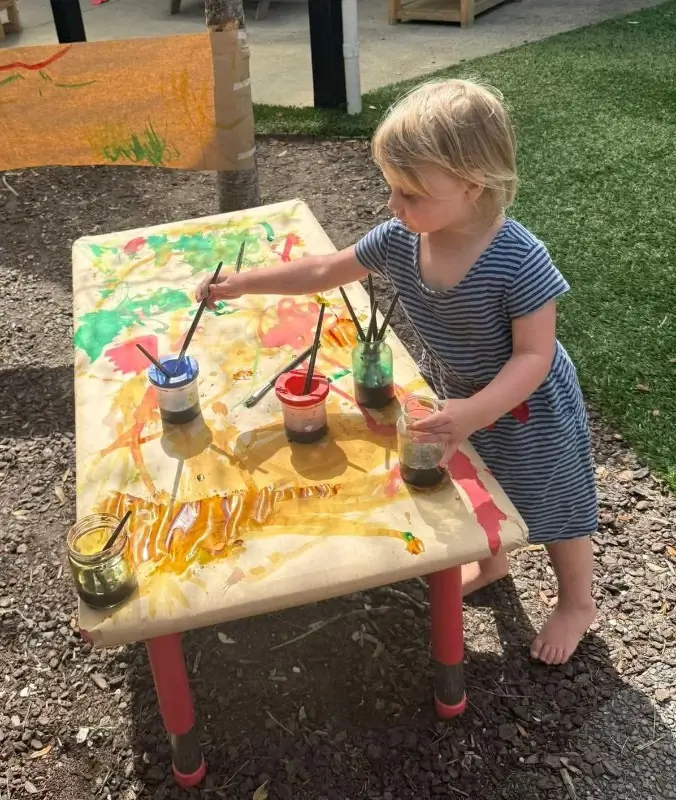
As Oscar Wilde once said: “Art is the most intense mode of individualism that the world has known.”
At The Vines, each child’s choice of colours, shapes, and design shows us their individuality and personality.
Mistakes Make Masterpieces
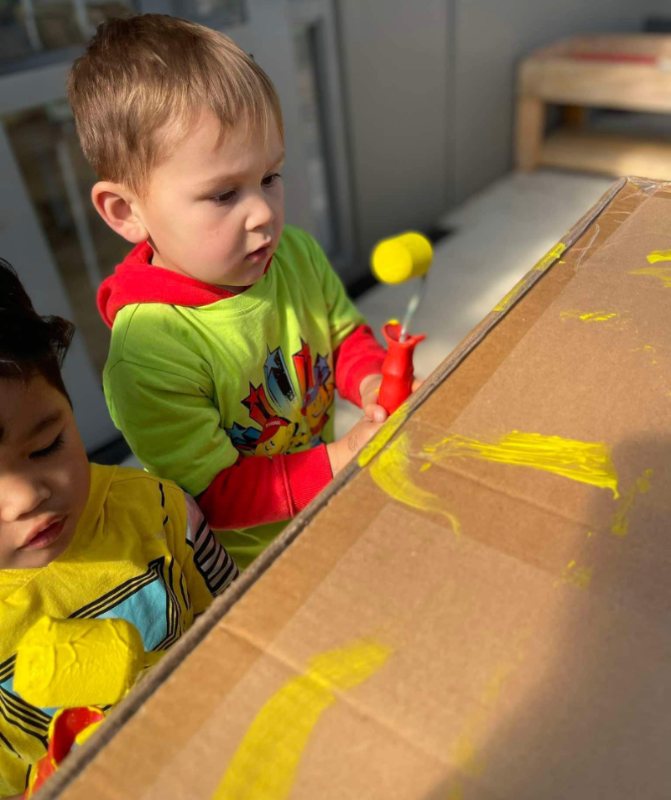
Painting teaches children that mistakes aren’t failures: they’re opportunities. By framing them as such, children learn resilience and confidence: skills that go far beyond the art table.
A splatter of paint becomes a new texture. A torn edge turns into part of the composition. A smudge can inspire a whole new idea. The project didn’t go “wrong”; it just went somewhere unexpected. And that’s where the magic begins.
By encouraging experimentation, painting helps children to:
- Take risks and try new ideas
- Develop resilience and persistence
- Feel proud of their efforts, even when plans change.
This is the essence of the growth mindset: learning that “messing up” isn’t a failure, but rather a part of the learning process.
By using art to nurture curiosity and stickability, our educators can help children learn, grow, and keep trying, even when things don’t quite go as imagined.
Supporting the Whole Child Through Art
Painting grows with your child. At different ages, it looks different, but it’s always meaningful.
- Infants – enjoy sensory exploration: feeling brushes, seeing colours mix.
- Toddlers – delight in splashes and bold strokes as coordination develops.
- Older tamariki – create shapes, patterns, or stories within their artwork.
Art supports social, emotional, and cognitive growth. It helps tamariki understand their environment, their culture, and themselves.
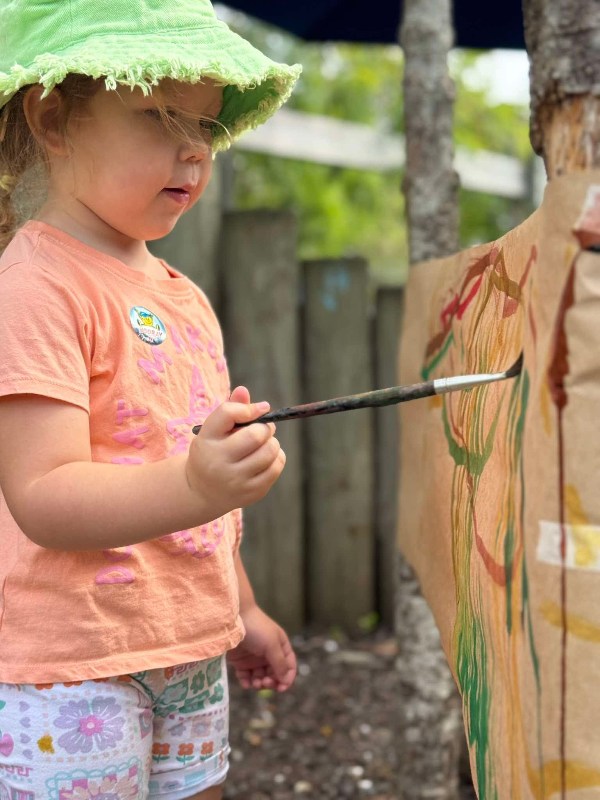

Painting and Te Whāriki
How does painting connect with the curriculum?
- Exploration – trying new materials, colours, and ideas.
- Communication – expressing thoughts without words.
- Contribution – sharing artwork, taking turns, and respecting others’ creations.
Painting is more than a creative outlet. It builds the foundations for confident, capable learners. Our kaiako encourage curiosity and joy, supporting children while allowing freedom for exploration.
Painting at The Vines
At The Vines, every brushstroke matters.
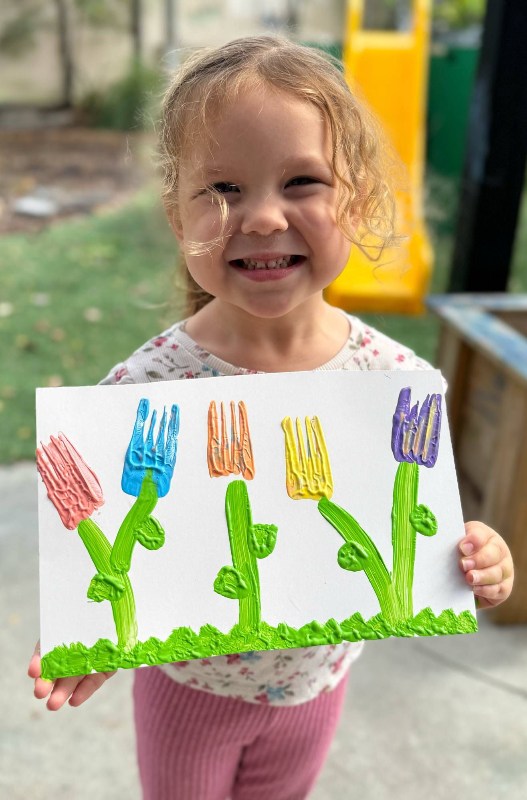
We celebrate each painting — the bold splashes, delicate patterns, or colourful swirls — because each one reflects a child’s special journey.
We love the pride on children’s faces when they share their artwork with whānau. It’s never just about the picture: it’s about the resilience, learning, and self-expression behind it.
Join Us on the Journey
Would you like your child to experience the magic of painting as part of their early learning journey?
Get in touch with Bianca at The Vines Early Learning Centre to find out more about enrollment and discover how The Vines’ team nurtures creativity, confidence, and growth every day.