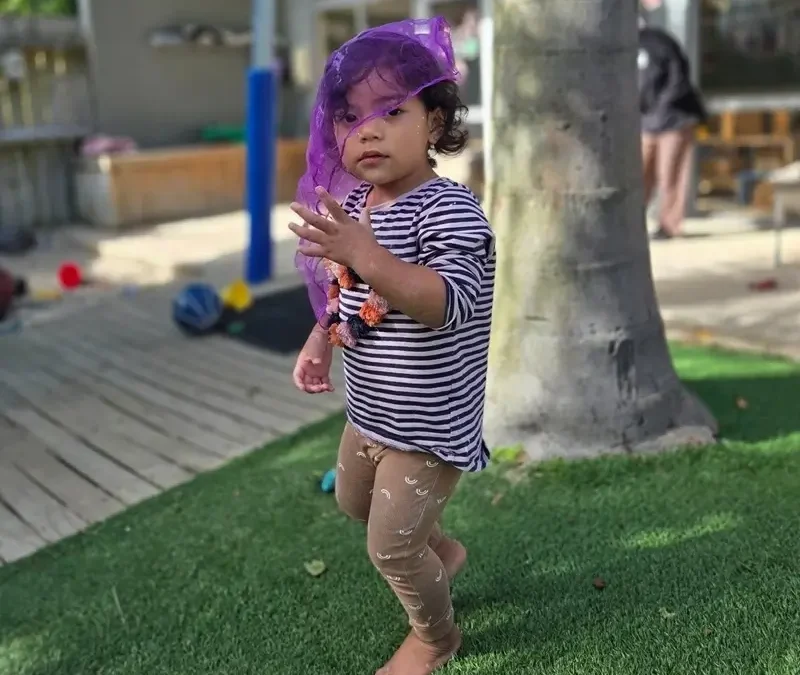
“Squish, squelch, spin, splash, squeeze, scoop, shake, drop, smear, toss, spray, and ooze – young children find immense joy in discovering their world through their senses.” Alana Steyn
By learning through the senses, children understand how to use their bodies, express themselves, and make sense of the world around them.
Why are the five senses important in early learning?
Learning through the senses supports brain development and cognitive growth. It is a key part of early childhood education. The five senses help children understand their environment. Through seeing, hearing, touching, smelling and moving, tamariki begin to:
- Explore and make sense of the world
- Build confidence in their bodies
- Express thoughts and feelings
- Connect with others.
Sensory play helps children become active learners: tamariki who are curious, capable and confident.
How does this link to Te Whāriki?
In the New Zealand early childhood curriculum, Te Whāriki, learning is holistic. This means children learn through all their senses, their bodies, their relationships and their environment.
At The Vines Early Learning Centre, our tamariki have been exploring their five senses, with a special focus over recent weeks on music and movement.
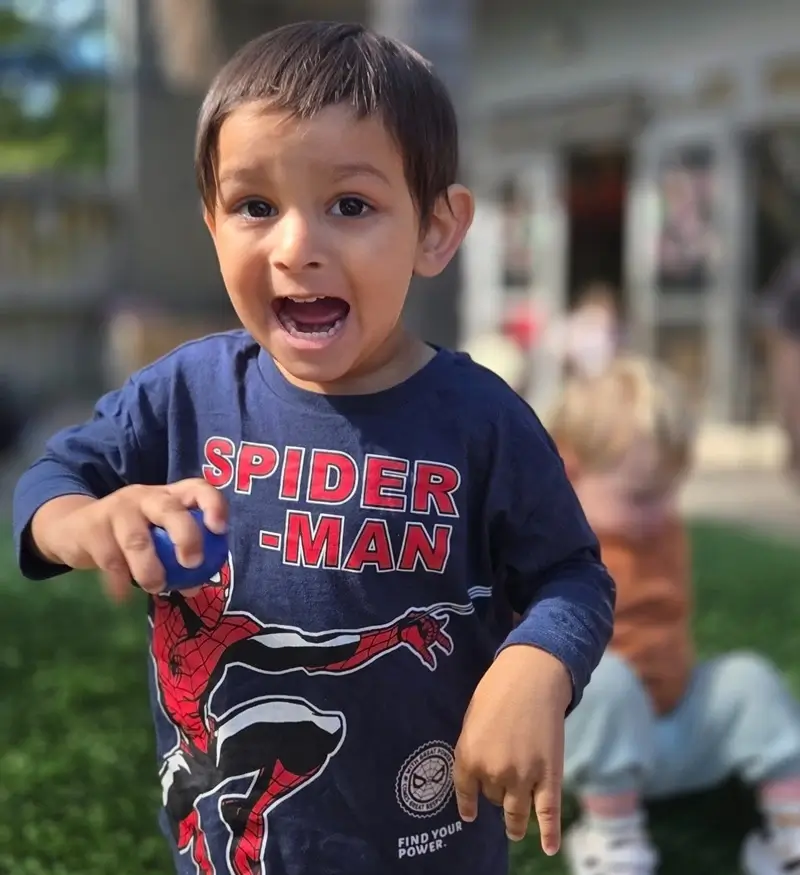
How do music and movement support the senses?
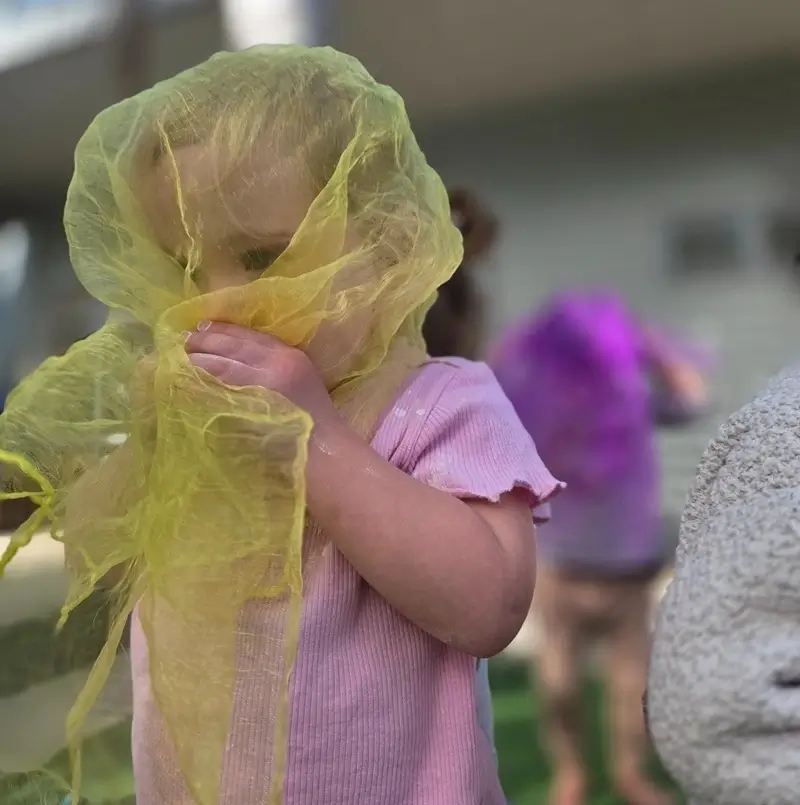
Music and movement bring the senses to life in a fun and engaging way. When children move to music, they are using multiple senses at once.
They are:
- Hearing rhythm, tempo and sound
- Moving their bodies in response
- Watching others and learning through observation
- Feeling space, balance and coordination.
Through music and sensory play, children gain greater control over their bodies. They develop:
- Locomotor skills such as walking, jumping and turning
- Balance and agility
- Coordination and body awareness
- Confidence in movement.
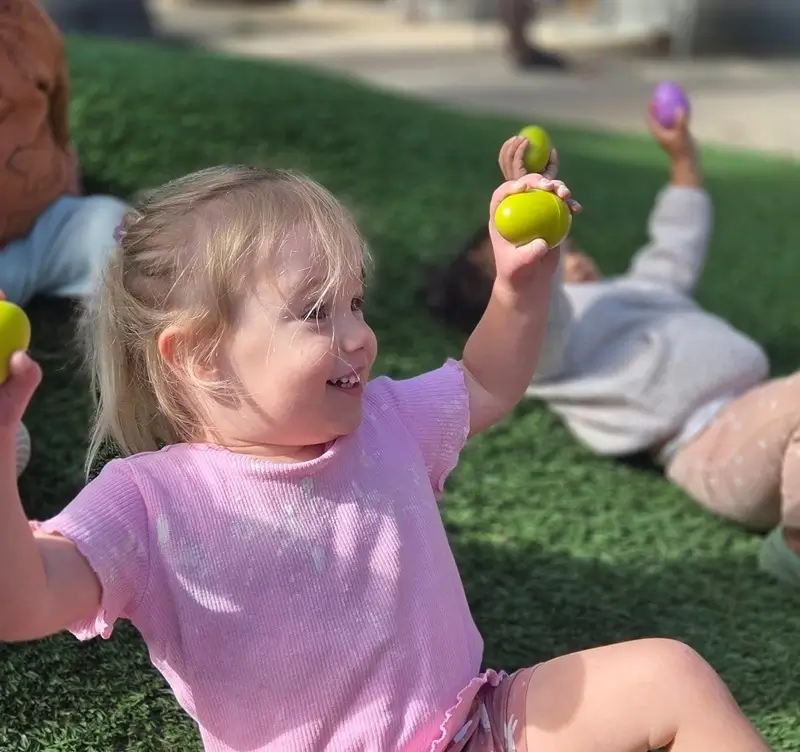
The language of music
Language develops best when children have a reason to communicate. Music and movement create natural opportunities for this, as children respond to rhythm, copy actions, and interact with others.
Through music and movement, children are supported to:
- Use gesture and movement to express themselves
- Develop language in meaningful contexts where they have a reason to communicate
- Experience the languages and symbols of their own and other cultures.
At the Vines in Henderson, we are proud to offer a space where children can learn and explore together.
Making a song and dance out of it
Music and movement also provide opportunities for both individual expression and group participation, helping children to engage with others while still expressing their own ideas.
Children learn to:
- Participate alongside others
- Take turns and follow rhythms
- Enjoy being part of a group.
This balance between shared experiences and individual expression supports both social development and personal confidence.
What happens when learning moves outdoors?
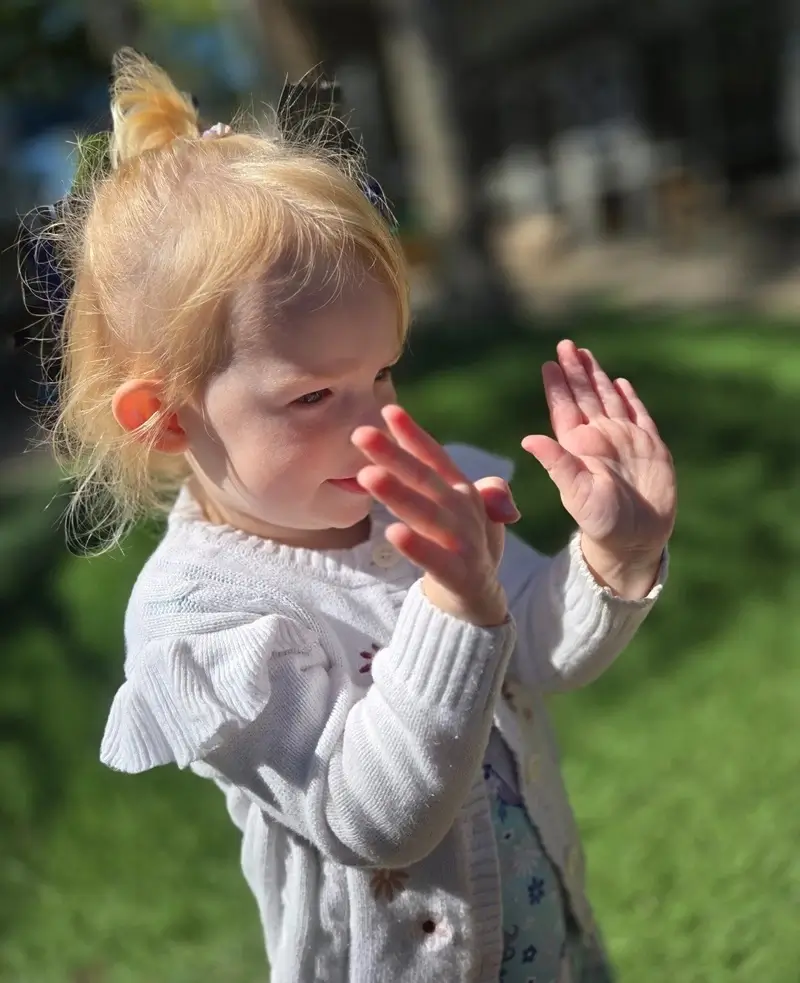
Outdoor experiences support children to connect with nature while continuing to develop their physical skills and sensory awareness.
We explored music and movement outdoors, where children were able to:
- Feel the breeze of the wind
- Hear birds alongside the music
- Experience natural sounds and surroundings
- Move more freely in open space.
This environment encouraged children to use their senses in different ways. They were responding to music while becoming aware of the world around them.
Supporting confident, capable learners
Sensory play is crucial for brain development and cognitive growth. At The Vines ELC, we value sensory learning and see it as an important part of helping children grow as confident, capable learners as they explore, make sense of the world around them and learn to dance to the beat of their own drums.